Saturation of GHGs
(Adapted from a blog comment.)
“Saturation” of GHGs is often misunderstood. People may commonly mean any of three different things when they refer to saturation—and most of them seem to assume that everyone else means whatever they mean.
1. Prof. Will Happer cleared up my own confusion about this by explaining what astrophysicists and scientists doing radiative transfer calculations mean by “saturated.” He directed me to this short paper:
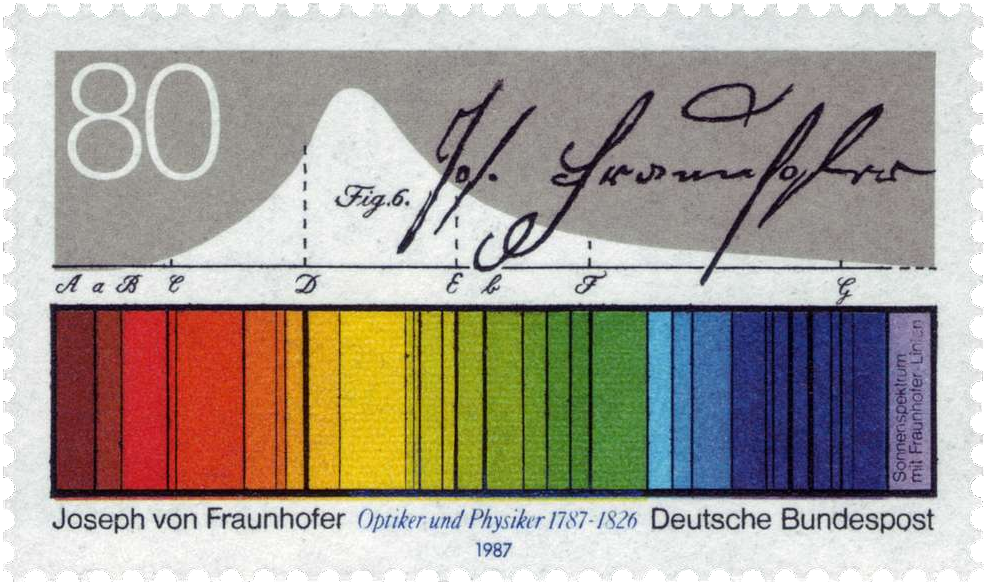
Excerpt: “Saturation in a Fraunhofer line means that with increasing absorption the depression in the line (line depth) is no longer proportional to the optical thickness of the absorbing layer, as in the case of weak absorption.”
(Note: Greenhouse gases in Earth's atmosphere create “Fraunhoffer lines,” in the far infrared part of the spectrum. Fraunhoffer lines are the dark lines / gaps in an emitting body's observed emission spectrum, due to absorption by radiatively active gases between source and observer.)
By that definition, Earth's atmospheric CO2 level is already far past the point of saturation.
2. A second definition is that CO2's absorption of LW IR is “saturated” if you cannot “see” emissions from the surface of the Earth, when looking down from outer space at 15 µm (where CO2 absorbs and emits most strongly).
Even by that definition CO2 is already saturated.
3. But some people think that saying CO2's effect is “saturated” means that adding more CO2 does not affect temperatures at all.
By that definition CO2 is not quite saturated.
SeaLevel.info
Last modified: 23-Jul-2026 (version 7)
Note: the “last modified” date and version number on this web page are
maintained automatically by TLIB Version Control.
X / Twitter card:
